
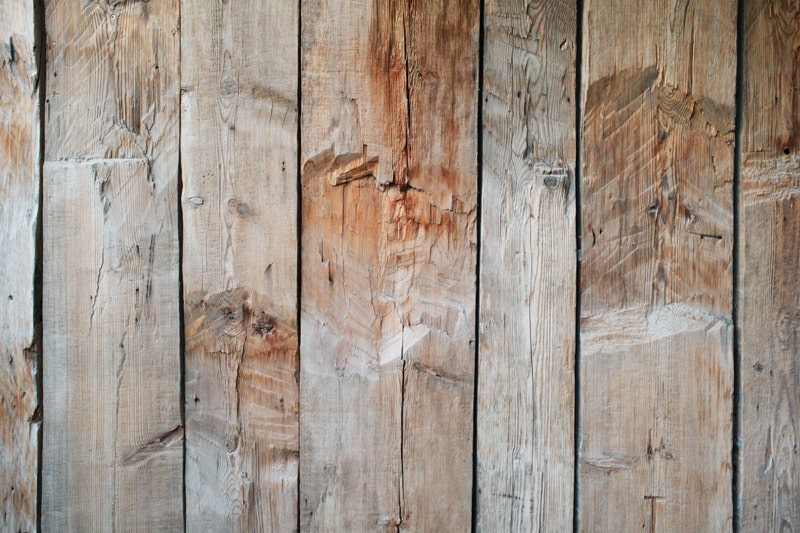
Choosing the right wood for furniture is a significant decision that can greatly impact the longevity, aesthetic appeal, and overall quality of your cherished pieces. Among the plethora of options available, one timber that often catches the eye is silver wood.
Possessing a distinct charm and unique characteristics, silver wood has been gaining attention from furniture enthusiasts and designers alike. However, if you find yourself contemplating whether silver wood is a suitable choice for your furniture needs, this article aims to shed light on its remarkable qualities, advantages, and potential considerations, allowing you to make an informed decision.
Table of Contents
What is silver wood also known as?
Silver wood, scientifically known as Grevillea robusta, is commonly referred to as Silver Oak Wood. This timber derives its name from the silver-gray color of its foliage, which adds to its visual appeal. Silver Oak Wood is an evergreen tree native to Australia and is highly valued for its medium to coarse texture, attractive golden-brown hue, and good strength. It finds application in the furniture industry, where it is used to craft cabinets, tables, chairs, and other indoor furniture pieces, as well as for flooring, paneling, and veneers.
What are the features of silver wood?
Here are some prominent features of Silver Wood:
Distinctive appearance
Silver Wood showcases captivating silver-gray foliage, providing a unique and visually appealing look to the timber.
Texture ranging from medium to coarse
The medium to coarse grain of the wood adds depth and character to furniture and other uses.
Attractive coloration
Silver Wood exhibits a beautiful light to medium golden-brown color, which can deepen and enhance with age, creating an elegant and warm aesthetic.
Lightweight
Compared to some other hardwood species, Silver Wood is relatively lightweight, making it easier to work with during furniture construction and installations.
Good strength and stability
Despite its lightweight nature, Silver Wood possesses good strength and stability, making it suitable for various furniture applications that require durability.
Versatile applications
Silver Wood finds versatility in its applications, including indoor furniture such as cabinets, tables, and chairs, as well as flooring, paneling, and veneers, adding natural beauty and sophistication to different interior settings.
Fast growth
The Silver Oak tree, from which Silver Wood is derived, is known for its rapid growth, making it a renewable and sustainable source of timber.
These features collectively contribute to the allure and suitability of Silver Wood for furniture-making and various other applications, making it an enticing choice for those seeking elegant and durable timber.
What are the drawbacks of silver wood?
Here are some drawbacks associated with Silver Wood:
Susceptibility to insect attacks
Silver Wood is known to be susceptible to insect infestations, including termites and borers. Proper preventive measures and regular maintenance are necessary to protect the wood from damage.
Potential warping and splitting
Due to variations in moisture content, Silver Wood tends to warp and split if not properly seasoned or protected from excessive moisture changes. Adequate drying and sealing techniques should be employed to minimize these risks.
Limited availability
While Silver Wood is widely distributed in its native regions, its availability may be limited in certain areas outside its natural habitat. Sourcing this wood for furniture projects may require additional effort or cost.
Moderate durability
While Silver Wood possesses good strength and stability, it is considered to have only moderate durability. It may be more prone to scratches, dents, and wear compared to some other hardwood species.
Sensitivity to stains and finishes
Silver Wood can sometimes be challenging to stain or finish evenly due to its grain pattern and natural color variations. Careful surface preparation and testing of finishes are recommended to achieve desired results.
Possible environmental impact
As with any wood source, the sustainability and environmental effect of Silver Wood must be considered. To minimize any negative environmental repercussions, ensure that responsible sourcing practices are followed.
It is important to note that while these drawbacks exist, proper care, maintenance, and appropriate usage can help mitigate many of these issues. Understanding these considerations will assist in making informed decisions when selecting Silver Wood for furniture projects.
Is silver wood durable?
Silver Wood (Silver Oak) can be considered durable when proper care and maintenance practices are implemented. While it may not have the same level of durability as some other hardwood species, it still offers a reasonable lifespan when used in appropriate applications.
Regular cleaning, avoiding exposure to excessive moisture or direct sunlight, and using protective measures such as furniture pads or coasters can help enhance its longevity.
Additionally, applying a protective finish or sealant can contribute to preserving the wood’s appearance and integrity over time. By following these precautions, Silver Wood can continue to showcase its natural beauty and withstand daily use for years to come.
Is silver wood hardwood?
Yes, Silver Wood, also known as Silver Oak (Grevillea robusta), is classified as a hardwood. Hardwood is a term used to describe wood derived from broad-leaved, deciduous, or evergreen trees. Silver Wood exhibits characteristics commonly associated with hardwood, such as medium to coarse texture, good strength, and durability. It is often used in furniture making, flooring, and other applications that require sturdy and long-lasting materials.
How long does silver wood last?
The lifespan of Silver Wood can vary depending on various factors such as environmental conditions, usage, maintenance, and protective measures. Generally, when properly cared for, Silver Wood can last for several decades. With regular cleaning, avoiding exposure to excessive moisture or direct sunlight, and using protective measures, such as applying finishes or sealants, the wood’s lifespan can be extended, allowing it to maintain its beauty and structural integrity over a significant period.
Is silver wood expensive?
The cost of Silver Wood, also known as Silver Oak (Grevillea robusta), can vary depending on factors such as availability, market demand, location, and quality. In general, Silver Wood tends to be relatively affordable compared to some other hardwood species.
However, it’s important to note that prices can fluctuate based on local market conditions and specific suppliers. It is advisable to consult with local suppliers or conduct market research to obtain accurate and up-to-date pricing information for Silver Wood in your region.