
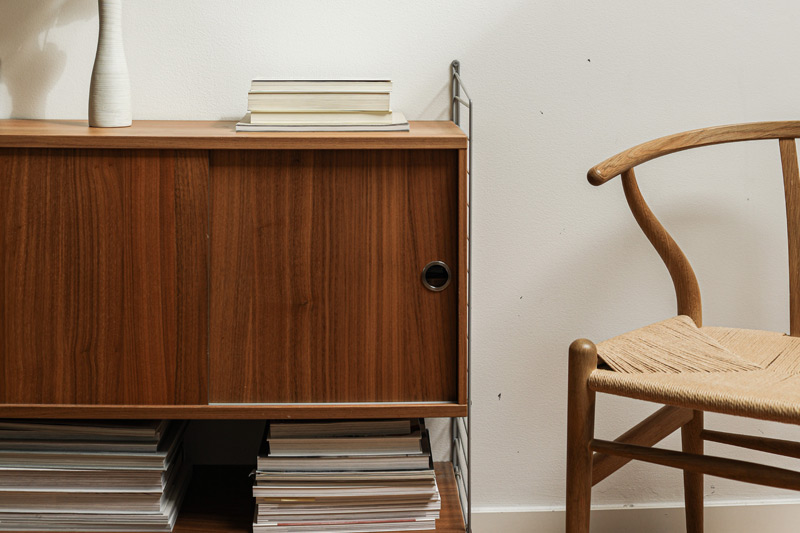
Are you searching for the perfect wood to create stunning furniture pieces that blend both durability and aesthetic appeal? Look no further than the versatile and captivating acacia wood. With its remarkable qualities and distinctive grain patterns, acacia has gained popularity as a viable option for furniture crafting. In this article, we will delve into the world of acacia wood, examining its advantages and potential drawbacks, allowing you to make an informed decision.
Whether you’re an interior design enthusiast, a furniture connoisseur, or simply curious about the possibilities, this comprehensive exploration will guide you through the fascinating realm of acacia wood and help you determine if it is the right choice for your furniture projects.
Table of Contents
What is acacia wood?
Acacia wood is a type of hardwood derived from the acacia tree, known for its strength and durability. It has a rich history dating back centuries and is commonly found in regions like Africa, Asia, and Australia. This versatile wood is renowned for its use in furniture making, flooring, cabinetry, and even decorative items. Acacia wood’s price varies depending on factors such as quality, availability, and region, making it accessible to a wide range of budgets.
Advantages of acacia wood furniture
When it comes to furniture made from acacia wood, there are several notable advantages:
Durability
Acacia wood furniture is naturally very durable and can withstand regular use and various environmental conditions.
Unique wood grain
Acacia wood boasts unique and eye-catching grain patterns, adding a touch of natural beauty to furniture pieces.
Versatile applications
Acacia wood can be utilized in various furniture styles, from rustic to modern, making it versatile for different design aesthetics.
Resistance to moisture
Acacia wood is perfect for both indoor and outdoor furniture since it is naturally water and rot-resistant.
Eco-Friendly
Acacia wood is sourced from sustainable plantations, making it an environmentally friendly choice for furniture crafting.
Cost-effective
Acacia wood outdoor furniture is often reasonably priced, providing an affordable option for those seeking durable and stylish outdoor seating or dining sets.
These advantages make acacia wood furniture an appealing choice for those seeking both aesthetic appeal and longevity in their furniture pieces.
Disadvantages of acacia wood furniture
While acacia wood furniture offers many advantages, it’s important to consider its potential drawbacks:
Response to changes in temperature
Acacia wood can be sensitive to extreme temperature changes, which may lead to the expansion or contraction of the wood.
Maintenance intensity
Acacia wood furniture requires significant maintenance, including regular cleaning, polishing, and occasional refinishing, to preserve its appearance and durability.
Unconventional grain structure
The grain structure of acacia wood can be irregular and unpredictable, which may not appeal to those seeking a more uniform or consistent appearance.
Heavy and hard
Acacia wood is known for being very heavy and hard, which can make it challenging to move or work with during furniture assembly or modifications.
Vulnerability to cracks
Due to its density, acacia wood may be prone to cracking, especially if not properly seasoned or maintained.
Color palette constraints
Acacia wood has a natural light to medium brown color, which may limit options for those desiring a wider range of color choices in their furniture.
Treatment required for outdoor use
Acacia wood is not inherently suitable for outdoor use without proper treatment or finishes to protect it from moisture and other outdoor elements.
Acacia wood furniture FAQs
Explore some commonly asked questions about acacia wood furniture and find concise answers below:
Is acacia wood toxic?
No, acacia wood is not toxic. It is considered safe for use in furniture and does not release any harmful toxins.
Is acacia wood waterproof?
While acacia wood has natural water resistance, it is not completely waterproof. It can withstand exposure to moisture to some extent but may still be susceptible to damage if exposed to excessive water for prolonged periods. Applying proper finishes or treatments can enhance its water resistance.
Is acacia wood good for outdoor furniture?
Acacia wood can be used for outdoor furniture with proper treatment and maintenance. Protective finishes and regular upkeep are necessary to enhance its durability and resistance to moisture and weather conditions. With proper care, acacia wood can serve as a suitable choice for outdoor furniture.
Is acacia wood expensive?
Acacia wood is generally considered more affordable compared to many other hardwoods. While prices can vary based on factors such as quality, availability, and region, acacia wood is often priced more moderately, making it a cost-effective option for furniture projects in comparison to other types of wood commonly used for furniture crafting.
Is acacia better than oak?
Acacia wood is known for its unique grain patterns, water resistance, and affordability. On the other hand, oak is highly durable, has a classic appearance, and is commonly used in furniture making. Ultimately, the decision between acacia and oak comes down to personal preference, desired aesthetics, and the specific needs of the furniture project.
How long does acacia wood last?
Acacia wood may survive for many years if properly cared for and maintained. Its resilience enables it to resist regular use as well as a variety of climatic conditions. However, the actual lifespan of acacia wood might vary based on factors such as wood quality, specific use, and the degree of maintenance. You can preserve the endurance of acacia wood furniture by adding protective treatments, minimizing excessive moisture exposure, and refinishing or resealing it regularly.
Acacia wood vs. teak
When comparing acacia wood and teak, both kinds of wood are known for their durability, but teak is generally considered more resilient, with exceptional resistance to rot, pests, and harsh weather conditions. Acacia wood showcases unique grain patterns, while teak boasts a beautiful golden-brown color and smooth, even grain. In terms of price, acacia wood is more affordable compared to the premium and often more expensive teak. Maintenance-wise, both require regular care, but teak tends to require less upkeep due to its natural oils. From a sustainability standpoint, acacia wood is often seen as more environmentally friendly, and sourced from sustainable plantations, whereas teak may come from old-growth forests.
Are rosewood and acacia the same?
No, rosewood and acacia are different types of wood. Rosewood typically refers to several hardwood species known for their dark, rich colors and distinctive grain patterns. Acacia, on the other hand, is a hardwood that encompasses various species, and it is characterized by its unique grain patterns and natural water resistance.
Can I paint acacia wood?
Yes, you can paint acacia wood. Acacia wood can be painted to change its color or to match your desired aesthetic. However, before painting, it’s important to properly prepare the surface by cleaning and sanding it. Applying a primer specifically designed for wood and using paint suitable for furniture will help achieve the best results.
Does acacia wood fade?
Yes, acacia wood can fade over time when exposed to sunlight and other environmental factors.