
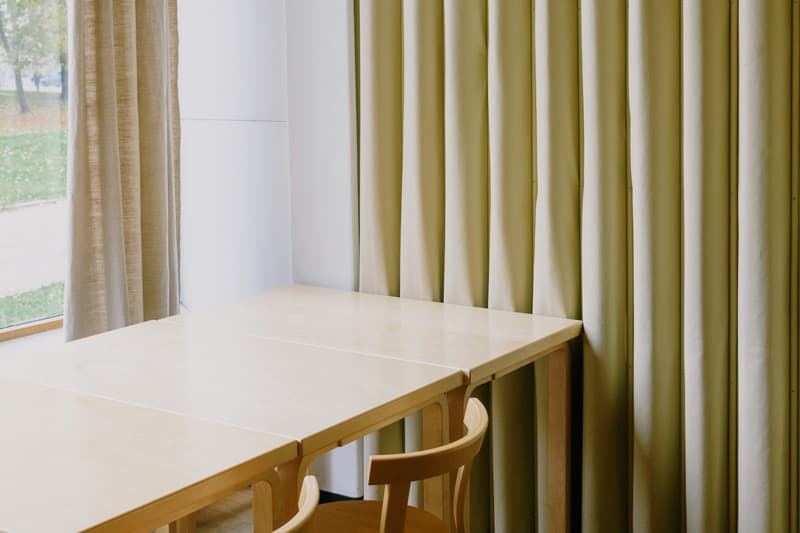
Wood has long been revered for its timeless beauty, durability, and versatility, making it a cherished material for furniture craftsmanship. Among the numerous varieties of wood available, Anjili wood has emerged as a popular choice for furniture makers. Hailing from the lush Western Ghats of South and Central India, Anjili wood possesses unique qualities that make it a compelling option for creating exquisite and enduring furniture pieces.
In this article, we examine the qualities and benefits of anjili wood and consider whether it is appropriate for making furniture. We want to provide readers with a thorough grasp of the wood’s characteristics, illuminating its beauty, robustness, use, and sustainability features.
Table of Contents
What is Anjili wood?
Anjili wood, scientifically known as Artocarpus hirsutus, is a tropical hardwood predominantly found in the Western Ghats region of South and Central India. Commonly referred to as “Anjili” in Malayalam (one of the languages spoken in the region) and also known as Wild Jack or Jungle Jack, this evergreen tree has a rich history of use in furniture making, boat building, and construction.
In furniture production, Anjili wood finds extensive use in crafting chairs, tables, cabinets, beds, and other indoor furniture pieces. Its aesthetic appeal, coupled with its durability and workability, lends itself well to both traditional and contemporary furniture designs. With its timeless beauty and versatile properties, Anjili wood continues to be highly regarded in the industry and holds cultural significance in the Western Ghats region.
Benefits of using Anjili wood for furniture
Using Anjili wood for furniture offers several advantages that contribute to its popularity among furniture makers and consumers. Here are some of the key pros of using Anjili wood for furniture:
Durability
Anjili wood is known for its exceptional durability and strength. It can withstand heavy use and regular wear and tear, ensuring that furniture made from this wood lasts for a long time. This makes it a reliable choice for furniture pieces that need to endure everyday use.
Attractive appearance
Anjili wood possesses a rich, dark brown color that adds warmth and elegance to furniture pieces. The fine texture and straight-grain patterns enhance the visual appeal of the wood, making it a sought-after choice for creating visually stunning furniture.
Workability
Anjili wood is moderate to highly dense, which makes it relatively easy to work with. It can be shaped, carved, and crafted into intricate designs, allowing artisans to showcase their skills and create custom-made furniture pieces tailored to individual preferences.
Stability
Anjili wood exhibits good dimensional stability, meaning it is less prone to warping or shrinking due to changes in humidity or temperature. This stability ensures that furniture made from Anjili wood maintains its shape and structure over time, minimizing the need for repairs or adjustments.
Resistance to decay
Anjili wood is naturally resistant to decay and insect infestation. Its inherent properties make it less susceptible to damage caused by fungi, termites, or other pests. This resistance adds to the longevity of furniture made from Anjili wood and reduces the need for frequent maintenance.
Sustainability
Anjili wood is sourced from the Western Ghats region, where responsible harvesting practices and sustainable management are promoted. By choosing Anjili wood for furniture, you can support environmentally conscious practices and contribute to the preservation of the local ecosystem.
Drawbacks of using Anjili wood for furniture
While Anjili wood offers numerous advantages for furniture making, there are also some drawbacks to consider. Here are a few potential drawbacks of using Anjili wood for furniture:
Cost
Anjili wood can be relatively expensive compared to other types of wood. The scarcity and high demand contribute to its higher price point, which may make it less accessible for budget-conscious consumers or projects with tight financial constraints.
Availability
Anjili wood is predominantly found in the Western Ghats region of India, making it less readily available in other parts of the world. This limited availability can make it more challenging to source, especially for international buyers or those outside the wood’s native regions.
Workability challenges
While Anjili wood is generally considered to be workable, it can be dense and may pose challenges during the crafting process. Its density may require more effort and specialized tools for shaping, cutting, and carving compared to softer or more easily workable woods.
Weight
Anjili wood is relatively heavy, which can be both an advantage and a drawback. While its weight contributes to its durability and sturdiness, it can also make furniture made from Anjili wood more challenging to move or transport, especially for larger or bulkier pieces.
Color variation
While the rich, dark brown color of Anjili wood is often considered a desirable characteristic, it can also display some color variation within individual boards or between different pieces of wood. This variation may require extra care and attention when selecting and matching wood for furniture projects where consistent color is desired.
Environmental considerations
While Anjili wood itself is not endangered, it is essential to ensure that it is sourced sustainably and responsibly. Deforestation and illegal logging can still pose threats to the overall ecosystem in the Western Ghats region, so it’s crucial to choose suppliers who follow sustainable practices and promote responsible forestry management.
It’s important to weigh these potential drawbacks against the advantages when considering Anjili wood for furniture projects. By carefully assessing your specific needs, budget, and environmental considerations, you can make an informed decision about whether Anjili Wood is the right choice for your furniture-making endeavors.
Anjili wood and furniture FAQs
Let’s look at commonly asked questions about using anjili wood for furniture:
What is the English name for anjili wood?
The English name for Anjili is “Wild Jack” or “Jungle Jack.” The scientific name for Anjili is Artocarpus hirsutus.
Anjili wood vs. teak wood
Origin: Anjili wood – Western Ghats region of India; Teak wood – Southeast Asian countries.
Availability: Teak wood is more widely available globally.
Durability: Teak wood is highly durable and resistant to decay, while Anjili wood is also durable.
Aesthetic appeal: Teak wood has a distinctive grain pattern and a golden to medium brown color, whereas Anjili wood has a rich, dark brown color, fine texture, and straight grain.
Workability: Teak wood is generally considered more workable than Anjili wood.
Price: Teak wood is usually more expensive than Anjili wood.
Is anjili wood expensive?
Due to its limited availability and great demand, anjili wood may be pricey, making it a more expensive alternative when compared to certain other species of wood.
Is anjili wood good for outdoor furniture?
Anjili wood is not typically recommended for outdoor furniture as it may be susceptible to decay and weathering when exposed to the elements without proper treatment and maintenance.
Is anjili wood waterproof?
Anjili wood is not inherently waterproof. It may require proper treatment, such as sealing or applying protective finishes, to enhance its water resistance and protect it from moisture-related issues.
Can you paint anjili wood?
Yes, Anjili wood can be painted. However, it is important to properly prepare the surface by sanding and priming before applying paint to ensure good adhesion and a smooth finish.
How long does anjili wood lasts?
Anjili wood is renowned for its resilience and, with good maintenance, may survive for several decades. Anjili wood furniture may give years of usage with routine care and protection from hazardous elements.